
Tahitian Pearls in Literature: A Journey Through Books and Poetry
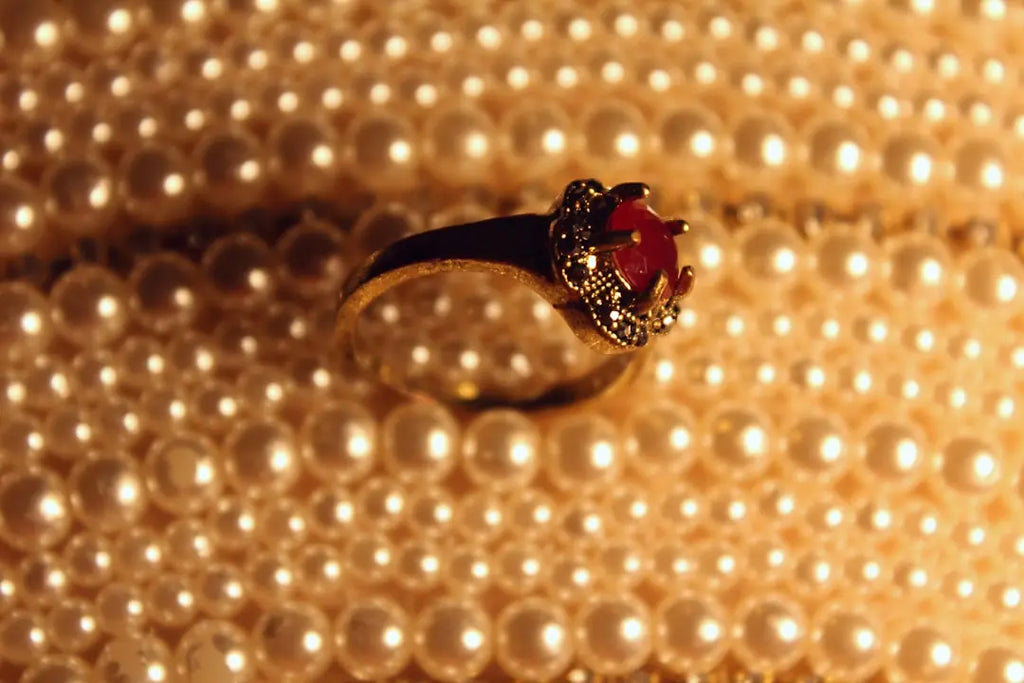
The dark, shifting color of Tahitian pearls has held attention across generations, and not only among jewelers and collectors. These pearls from French Polynesia turn up in writing too, from novels to poetry, where they stand in for luxury, longing and mystery. This piece looks at how Tahitian pearls work as a literary symbol, what they tend to represent, and why a naturally dark gem lends itself so well to a writer's purposes.
The Rich History of Tahitian Pearls
Tahiti, the largest island of French Polynesia, is closely tied to the black pearl. The distinctive color comes from the conditions of the warm, clear lagoons where the pearls are cultured inside the black-lipped oyster, Pinctada margaritifera. That color is natural, never dyed. Pearls have carried meaning in human cultures for a very long time, and where they appear in writing they tend to stand for luxury, beauty and a touch of the unknown.
The Allure of the Black Pearl in Poetry
The dark sheen of a Tahitian pearl is a gift to a poet. As an image, these pearls tend to gather around a few themes:
- Love and desire: A dark, rare pearl makes an easy emblem for deep, hard-won love and for the pursuit of something precious.
- Transience: A pearl forms slowly and can be lost in an instant, which makes it a natural metaphor for a fleeting, beautiful moment.
- Mystery: The near-black body color and shifting overtones suggest the unknown, the kind of image a poem can build on.
Tahitian Pearls in Novels
In fiction, Tahitian pearls often signal opulence and adventure. The remote, lagoon-set landscapes of Tahiti give a writer a vivid backdrop for stories about ambition and escape.
Symbol of Wealth and Status
A pearl is a compact way to show wealth on the page. Writers hand them to characters to mark social standing or to make a desire concrete, often in stories where someone is climbing toward money or moving through the upper end of society. The pearl does the work of a whole paragraph of description.
A Metaphor for Culture and Heritage
Beyond money, the Tahitian pearl can carry the culture of French Polynesia. Stories that feature it sometimes reach into the islands' traditions and the long history of pearl diving as an ancestral craft. The pull between heritage and material wealth gives a writer something to work with, and it lets a reader feel the weight behind the object.
Contemporary References in Literature
Tahitian pearls still surface in modern writing, from romance to literary fiction, where the dark gem works as a quiet, loaded symbol.
The Romantic Notion of the Pearl
In romance, the Tahitian pearl often ties to fate and first meetings. A character travels to the islands, encounters the pearls, and the trip becomes a turning point. The pearl ends up standing for a love that crosses distance or difference, a neat shorthand for connection.
Exploring Identity through Pearls
Writing about identity sometimes uses the black Tahitian pearl as an emblem of self-acceptance. A character wrestling with who they are, or with their cultural roots, can find something to hold onto in a gem that is prized precisely for being dark and individual. The metaphor is simple and it lands: embrace what makes you different.
References in Children's Literature
Tahitian pearls show up in children's books too, usually as hidden treasure waiting to be found. They carry a sense of wonder, and the stories often build a moral around them, lessons about patience and hard work that echo the real, slow labour of pearl diving in Tahiti.
The Adventure of Pearl Diving
Children's books often follow a young pearl diver through the lagoons of French Polynesia, showing off the islands alongside the riches of the sea. These stories do double duty: they make the pearls exciting and they open a door to talking about the ocean and why it needs protecting. The pearl becomes a way in to an environmental lesson.
The Artistry of Tahitian Pearls in Literature
The craft of pearl jewelry finds its way into writing as well, with a finished necklace or pair of earrings standing for human skill and expression.
Symbolism in Artistic Expressions
A Tahitian pearl necklace on the page can stand for love, friendship or a family bond, an object that holds a relationship inside it. That link between the pearl and the story around it is what turns it from a prop into something with meaning.
In Crafting Narratives: The Pearls' Narrative Role
Sometimes the pearl drives the plot. The finding or losing of a Tahitian pearl can be the hinge a story turns on, forcing a character to face what they value. Used that way, the pearl is more than decoration; it carries the weight of the scene.
Impact on Readers: Captivating and Evocative
When a book or poem reaches for a black Tahitian pearl, it usually means to stir something, a longing, a memory, a sense of the rare. The gem works because readers already half-know what it stands for.
The Role in Evoking Emotions
In writing, these pearls tend to call up longing and nostalgia. The image is rich enough that a reader attaches feeling to it almost automatically, which is exactly why writers keep using it.
Exploration of Human Relationships
Stories built around Tahitian pearls often circle back to relationships, whether the pearl stands for love or for a trial faced together. Finding or losing something precious is a universal experience, so the image invites readers to think of their own valuable moments.
Final Thoughts: The Timeless Allure of Tahitian Pearls
Across writing, the Tahitian pearl bridges the real and the imagined. It means more than its surface beauty, standing in for culture, identity and emotion. From poems to novels, it lights up the stories it appears in. Next time you read one, you may notice the black pearl doing quiet work in the background, and understand a little better why a writer reached for it.
Leave a comment